Making Tight Homewood Backyards Work Harder
Small, sloped Homewood backyards can be tricky. Lots are tight, side yards are narrow, and property lines sit close. Add older homes, mature trees, and Alabama clay, and you get yards that want to stay muddy instead of usable.
A good landscape contractor in Homewood cannot treat that space like a flat, open field. The work has to start with structure: drainage, grading, and how every wall, patio, and step will handle years of heavy rain and heat. When planning is done right, that tight backyard stops being a problem area and starts working like a true outdoor room you can use every week, not just when the ground is dry.
Reading a Homewood Lot Before You Draw a Line
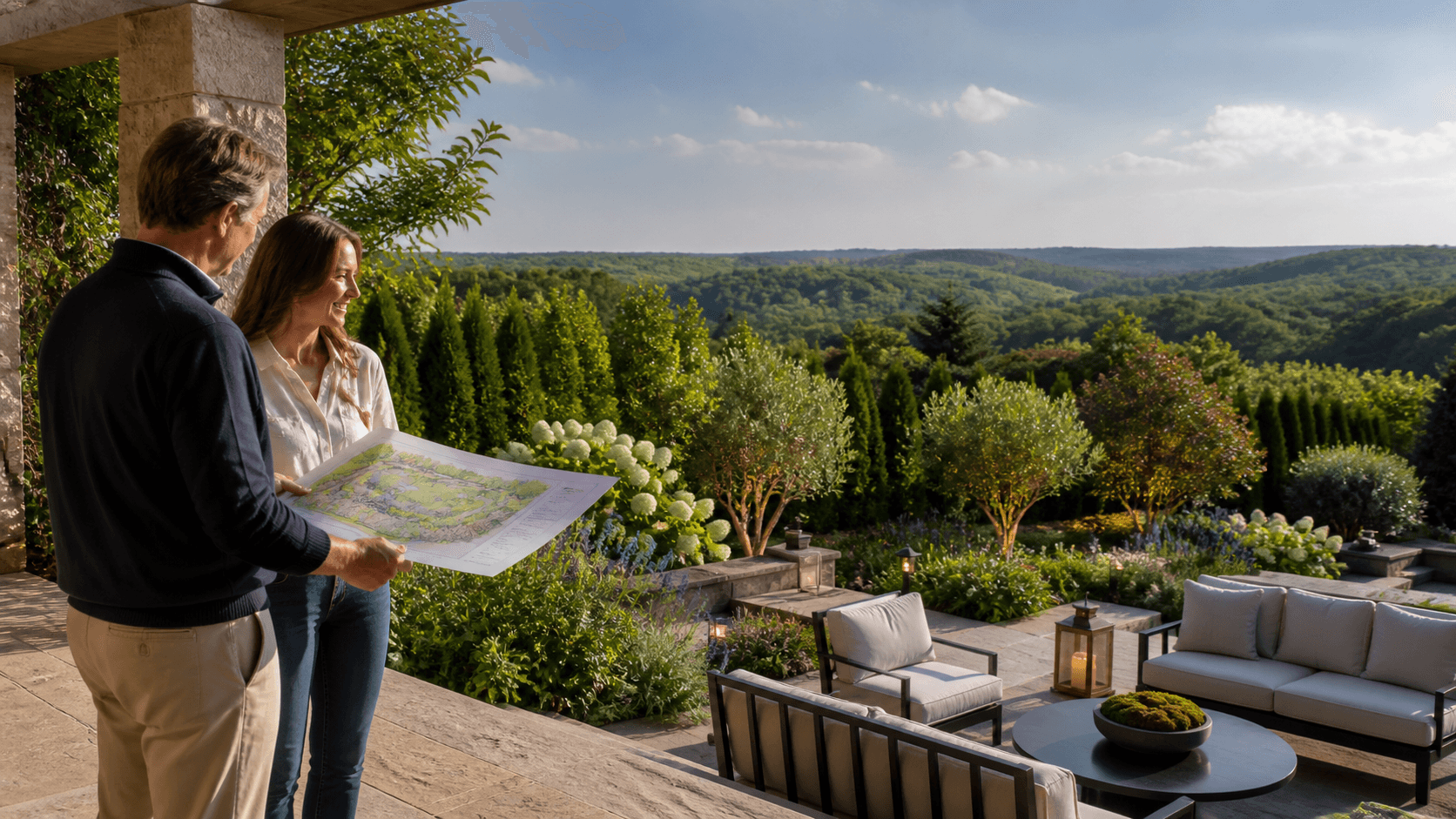
Before anyone starts sketching patios or fire features, the yard needs to be "read" on site. That means walking the property and paying attention to how it behaves, not just what a survey says.
We look closely at things like:
- Where water already collects after a storm
- How roof and driveway runoff enter the yard
- How high or low neighboring properties sit compared to yours
- Where the existing grades want to push water
Central Alabama soils add another layer. Homewood often has heavy red clay mixed with old fill material. Clay holds water, then cracks when it dries, so base preparation is not optional. A patio or wall needs:
- Proper excavation, not just scraping the grass off
- A compacted gravel base that matches the soil conditions
- Separation from soft, organic soils that will break down over time
Older Homewood neighborhoods also carry real constraints. Setbacks, easements, sewer lines, and overhead wires limit where we can safely build. Large tree roots and canopies change how we route walls, steps, and even drainage so we do not choke out a healthy shade tree or undercut its stability.
On lots like this, the paperwork never tells the whole story. That is why leadership from our team is on site during that early read. We want the plan to match the actual terrain, not a flat sheet of paper.
Designing Hardscape That Fits Tight Backyard Footprints
On a small Homewood lot, layout is about clear movement and smart zones. There is not room to waste. Every square foot needs a job.
We typically prioritize:
- A clean, direct path from the back door
- A defined grill or cooking area
- A dining or seating zone that does not pinch circulation
- Space for a fire feature, even if it is compact
Sightlines from the house matter too. When you look out the back windows, you should see an organized plan, not a jumble of pieces. In a tight yard, that visual order helps the space feel larger and calmer.
Structural choices matter just as much as layout. Retaining walls need proper footings and drainage, even if they are only holding a few feet of grade. Segmental block walls, poured concrete, and timber all behave differently in clay. The right choice depends on:
- Height of the wall
- Load above it, like a patio or driveway
- How much water is pressing behind it
Step heights have to match existing door thresholds so you get safe, comfortable transitions. Outdoor stairs that feel "off" will be annoying every single day.
Alabama weather pushes hardscape materials hard. We plan for:
- Slip-resistant surfaces that handle wet feet
- Correct base thickness so patios do not settle
- Tight, clean expansion joints to deal with heat movement
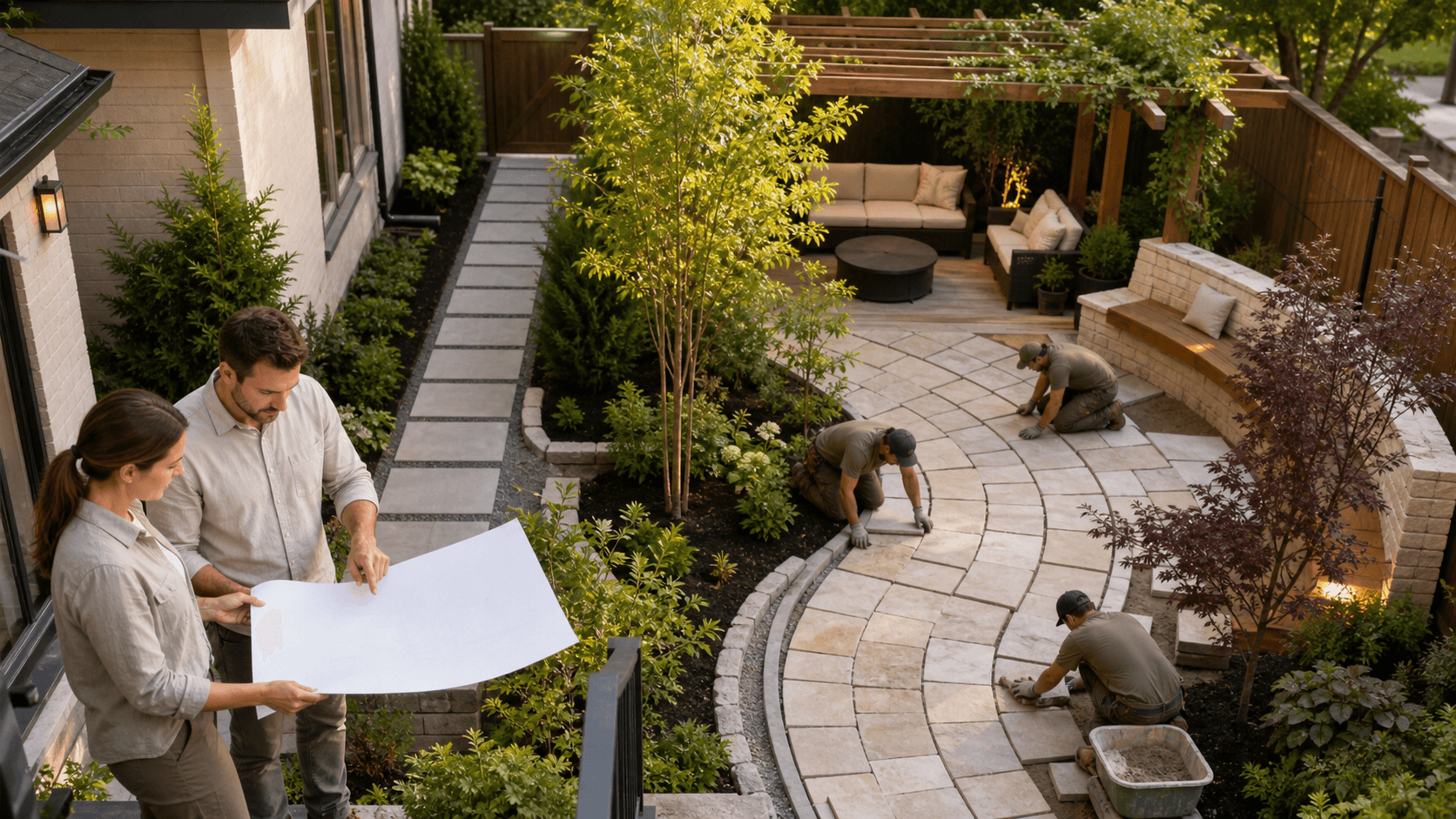
Cutting corners on base compaction in a tight backyard is a fast way to end up with cracked slabs and tilted pavers. A better example is a small, sloped yard turned into two terraces: an upper patio at door level, a lower lawn or play area. The real work there is not the furniture, it is the grading, wall engineering, and base prep that hold the whole thing together.
Managing Water and Grading so Your Yard Stays Dry
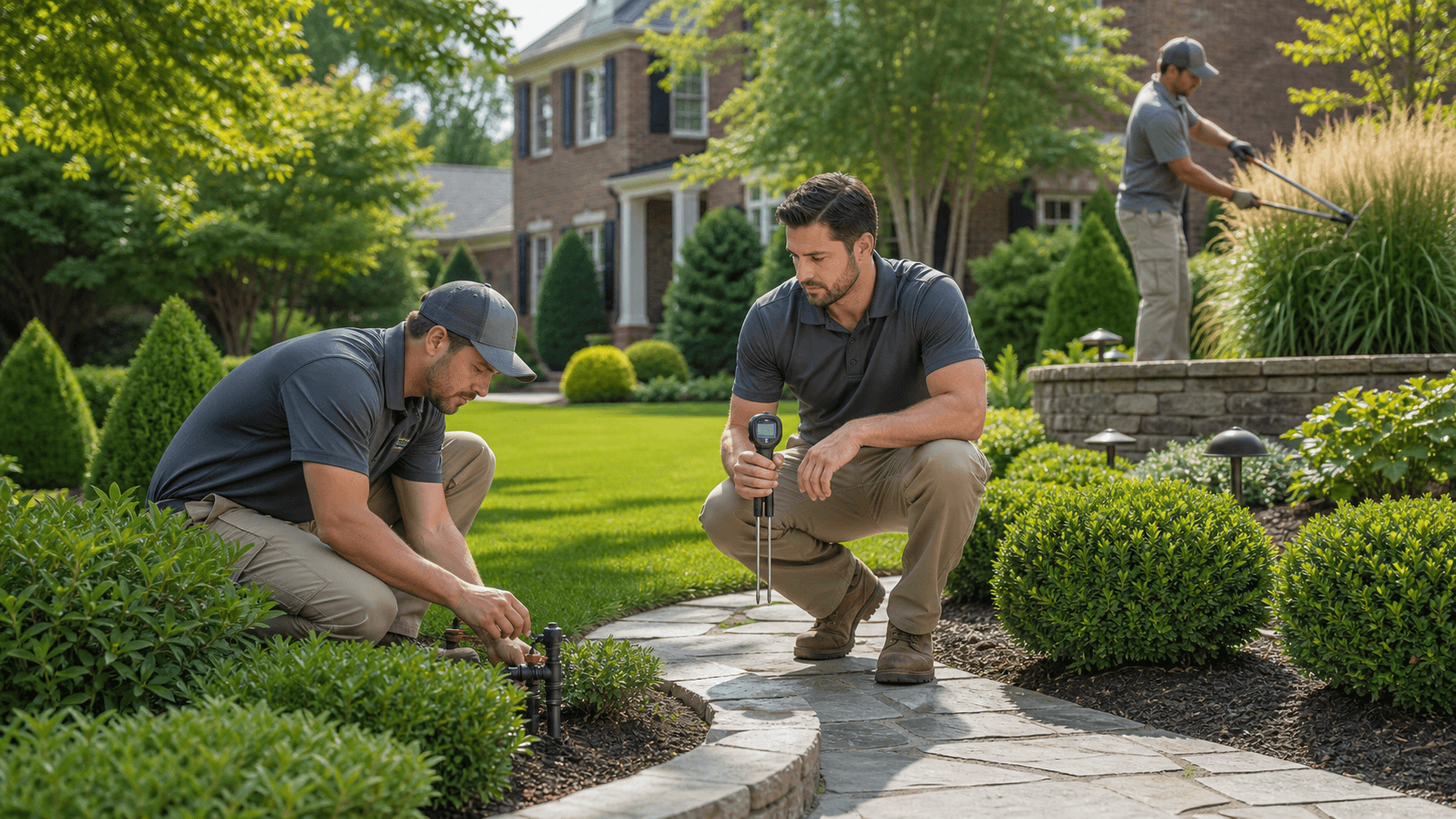
On tight urban lots, water management is where a landscape contractor in Homewood really has to think like an engineer. Every drop needs a plan.
We look at how to:
- Tie roof downspouts into underground drains
- Add French drains along house foundations or wall bases
- Shape shallow swales that move water without becoming trenches
- Place drain basins where water already collects
Grading on a tight lot has to be precise. When water leaves your patio, it should:
- Fall away from the house at a consistent, gentle slope
- Travel to a planned outlet or drain point
- Stay on your property rather than pushing problems into a neighbor's yard
Behind retaining walls, details like gravel backfill, perforated drain pipe, and weep holes help relieve pressure. Outlets need to be sized and placed so they can handle intense summer thunderstorms without clogging or washing out.
At Wood-Palmer Outdoor Creations, we treat drainage and grading as core structural systems. If those are right, the space should drain and perform the same way years from now as it does the first season.
Making Small Backyards Feel Bigger with Planting and Light
Once the structure is in place, planting and landscape lighting help the yard feel bigger and more comfortable.
Planting in a tight Homewood backyard is not about stuffing in as many shrubs as possible. It is about:
- Layering taller plants at the back, medium in the middle, low at the front
- Picking tree sizes that fit near property lines and house walls
- Providing privacy without building a dark, solid wall of green
Central Alabama heat, humidity, and freeze-thaw cycles rule out some species right away. We choose plants that handle this climate and will not:
- Outgrow the space in a few years
- Send aggressive roots under hardscape or structures
- Drop heavy debris right onto patios and roofs
Landscape lighting should be treated like a structural tool, not an afterthought. In a tight yard, good lighting:
- Defines steps and grade changes for safe footing at night
- Washes walls and trees instead of blasting bright spots
- Makes patios comfortable on warm evenings without shining into neighbors' windows
We like to review nighttime photos or mockups with owners to fine-tune fixture placement, beam spreads, and color temperature. That is how you get a clean, architectural look instead of a yard full of glare.
Choosing a Landscape Contractor in Homewood for Tight Lots
Not every contractor is comfortable working on small, sloped Homewood properties. When you meet with someone, it helps to listen for how they talk about structure, not just finishes.
Good signs include:
- Clear answers about drainage and grading, not vague promises
- Specific explanation of base preparation and compaction
- Details on how retaining walls are built and drained
- Examples of work on tight lots in Homewood or similar central Alabama neighborhoods
Tight yards also benefit from smart phasing. A contractor with 75 years of combined leadership experience will think ahead so you can:
- Start with drainage and hardscape now
- Leave room for a future structure or pool
- Avoid tearing out new work later because the first phase was not planned around long-term goals
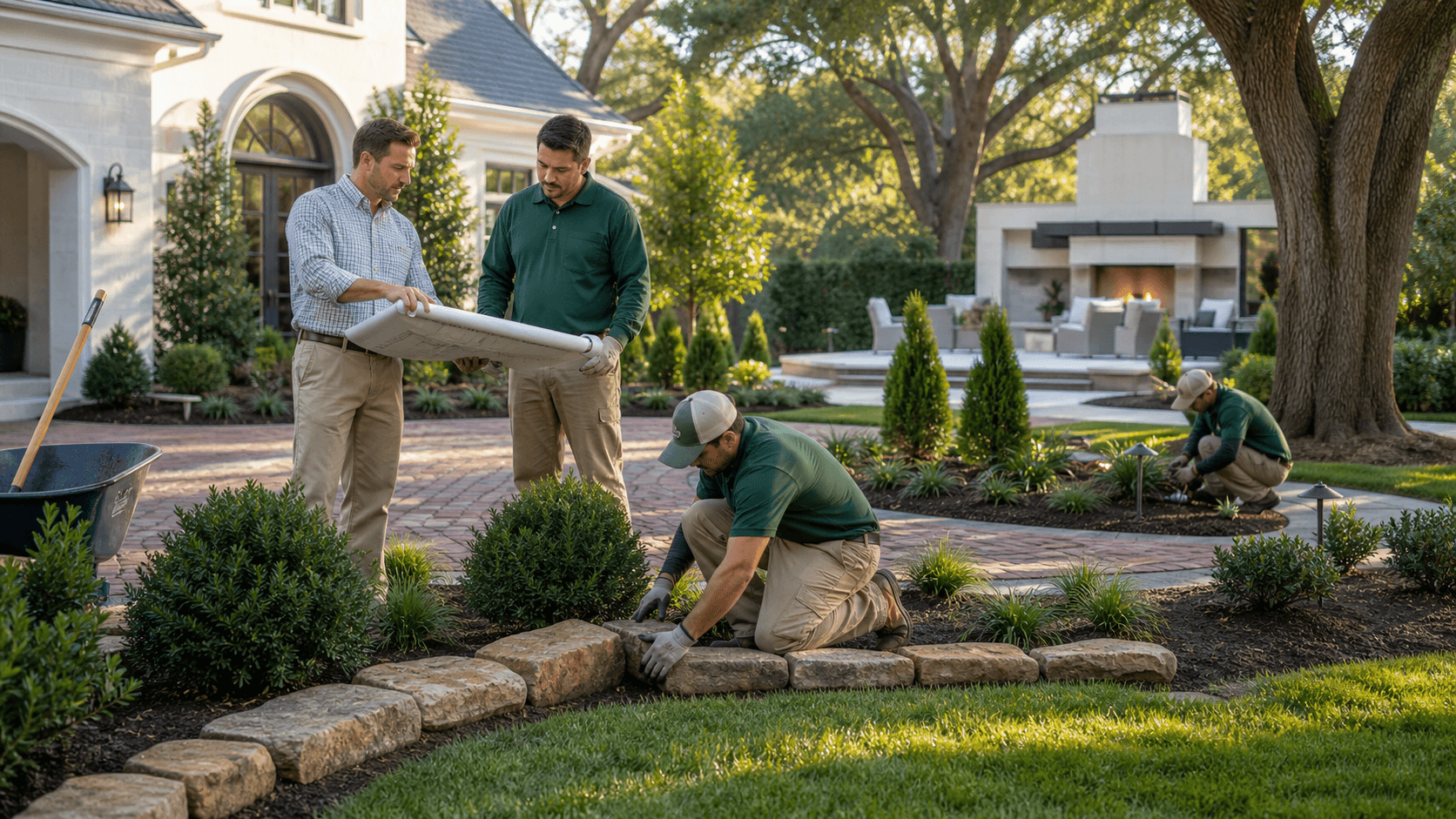
At Wood-Palmer Outdoor Creations, the owners are directly involved in design and build decisions. The same leadership that stands in your yard talking through grades, walls, and water is involved in making sure that is what actually gets built. That consistency is especially important when every inch of a tight Homewood backyard has a job to do.
Get Started With Your Project Today
If you are ready to transform your yard into a space that truly fits your lifestyle, our team at Wood-Palmer Outdoor Creations is here to help. As a trusted landscape contractor in Homewood, we work closely with you to design and build outdoor areas that feel thoughtful, functional, and lasting. Tell us about your ideas and questions, and we will guide you through clear next steps, from initial consultation to final walkthrough. Let's talk about your property—give us a call at (205) 305-7780, email us, or contact us online to start the conversation.