What's Really Under a Solid Stone Walkway
A stone walkway looks simple on the surface, but in Vestavia Hills it's a structural project from the first shovel of dirt. The stone you see on top is only as good as what's underneath it. If the grading, base, and drainage are wrong, that pretty path can heave, settle, or stay wet no matter how nice the stone is.
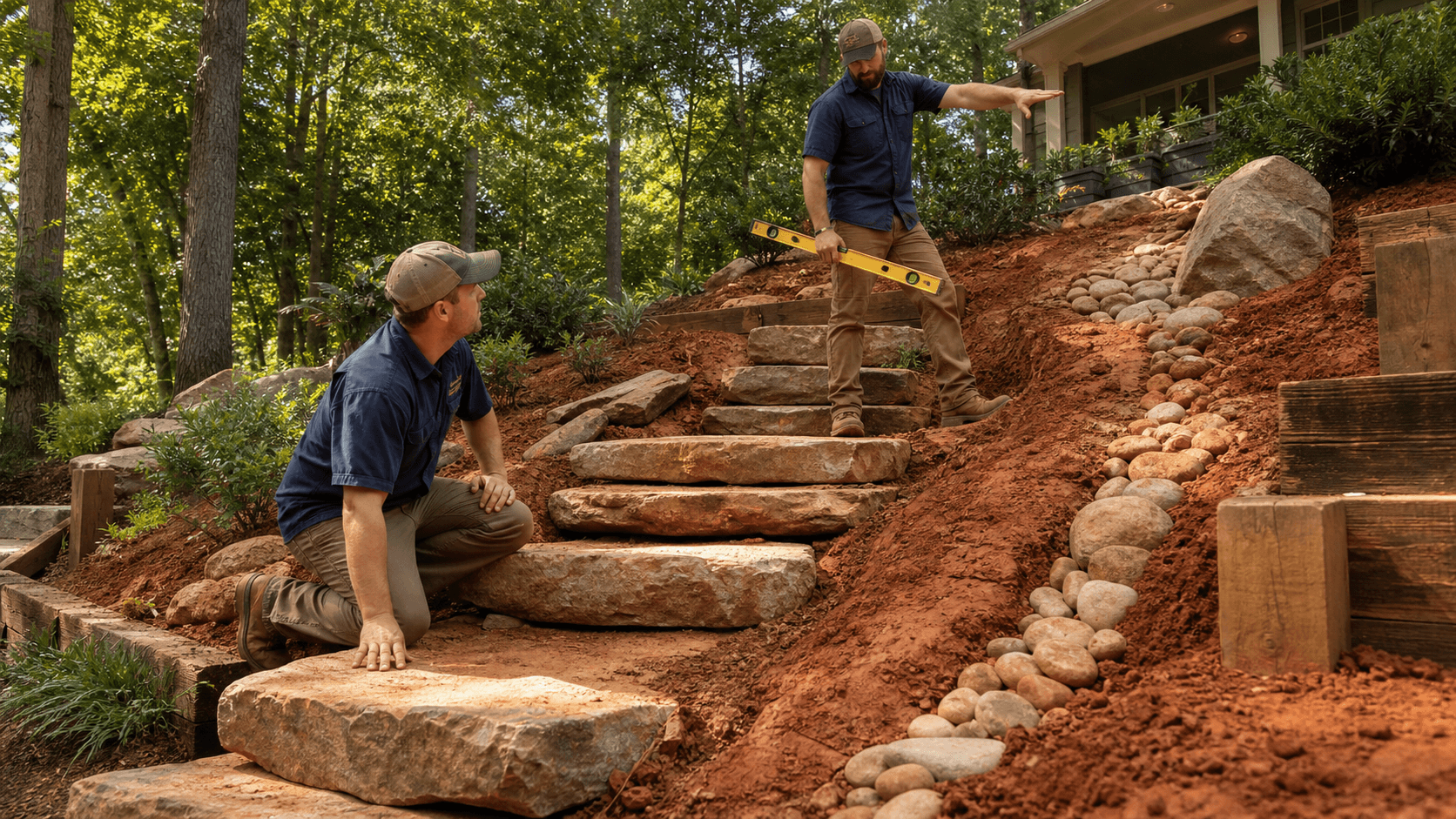
Here in Central Alabama, we deal with Alabama red clay, hillside grades, and heavy seasonal rains. That clay holds water, swells, then shrinks back down. On a slope, water wants to run fast and straight, usually toward your house or driveway. When a walkway is just "laid out" without engineering, that movement under and around it will show up as uneven stone, standing water, and trip spots in a few seasons.
Our team treats stone walkway installation in Vestavia Hills like a structural build, not a decoration. With 75 years of combined leadership experience and partnerships with licensed engineers when conditions call for it, we design the whole system under the stone. Long-term performance comes from what you never see: the grading, base preparation, and drainage that hold everything in place.
Why Vestavia Hills Terrain Changes the Walkway Plan
Vestavia Hills doesn't give you many flat, easy yards. Common site conditions include:
- Steep driveways that drop off toward the street
- Side yards that fall away toward neighbors
- Cut-and-fill lots with sharp breaks in grade
- Tight transitions between house, driveway, and backyard
Every one of these affects how we plan a stone walkway. We have to think about where the water's going, how people will move, and how the new path ties into what's already built.
On a slope, a walkway needs the right pitch and often step breaks so people feel steady. Where it meets a driveway or porch, we have to match elevations cleanly so there's no lip to trip on. If we ignore those tie-ins, the path can either trap water or become a channel that sends water straight to a foundation or garage door.
Alabama's expansive clay makes this even more important. When clay gets wet, it swells. When it dries out, it shrinks and cracks. If a stone walkway sits on a thin, unengineered base, that clay will move and the stone will follow. You start seeing:
- Stones rocking underfoot
- Low spots where water sits after every rain
- Gaps at joints as the base shifts
Our engineering-first approach starts with understanding the site. We look at shot elevations, drainage paths, and how this walkway works as part of the overall hardscape and landscape, not just a strip of stone between two points. It has to perform as part of the whole property, not fight against it.
Engineering the Base so the Stone Actually Stays Put
A good-looking stone is only half the story. The base under it is what carries the load. Building that base in Vestavia Hills clay means thinking like a builder.
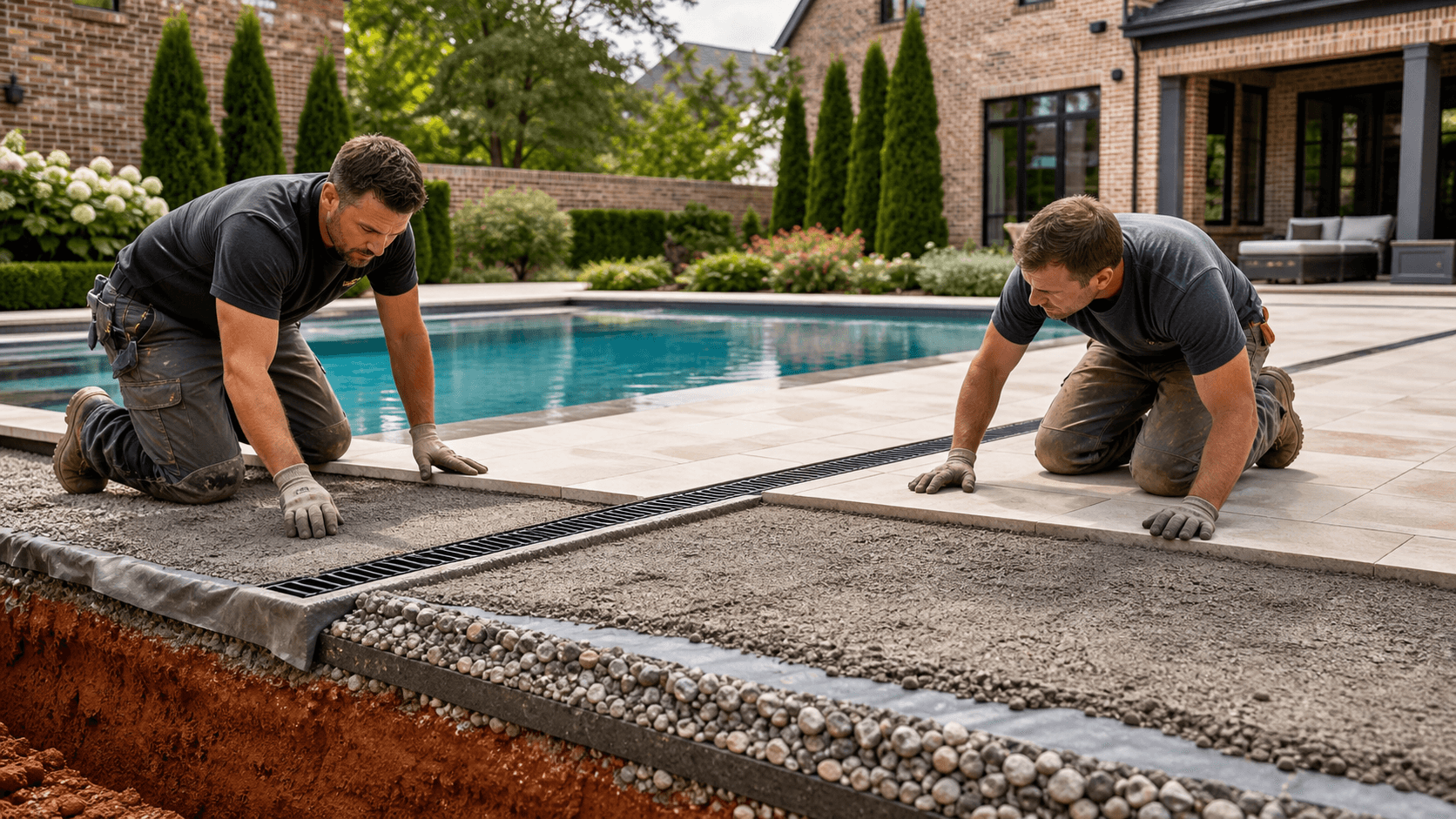
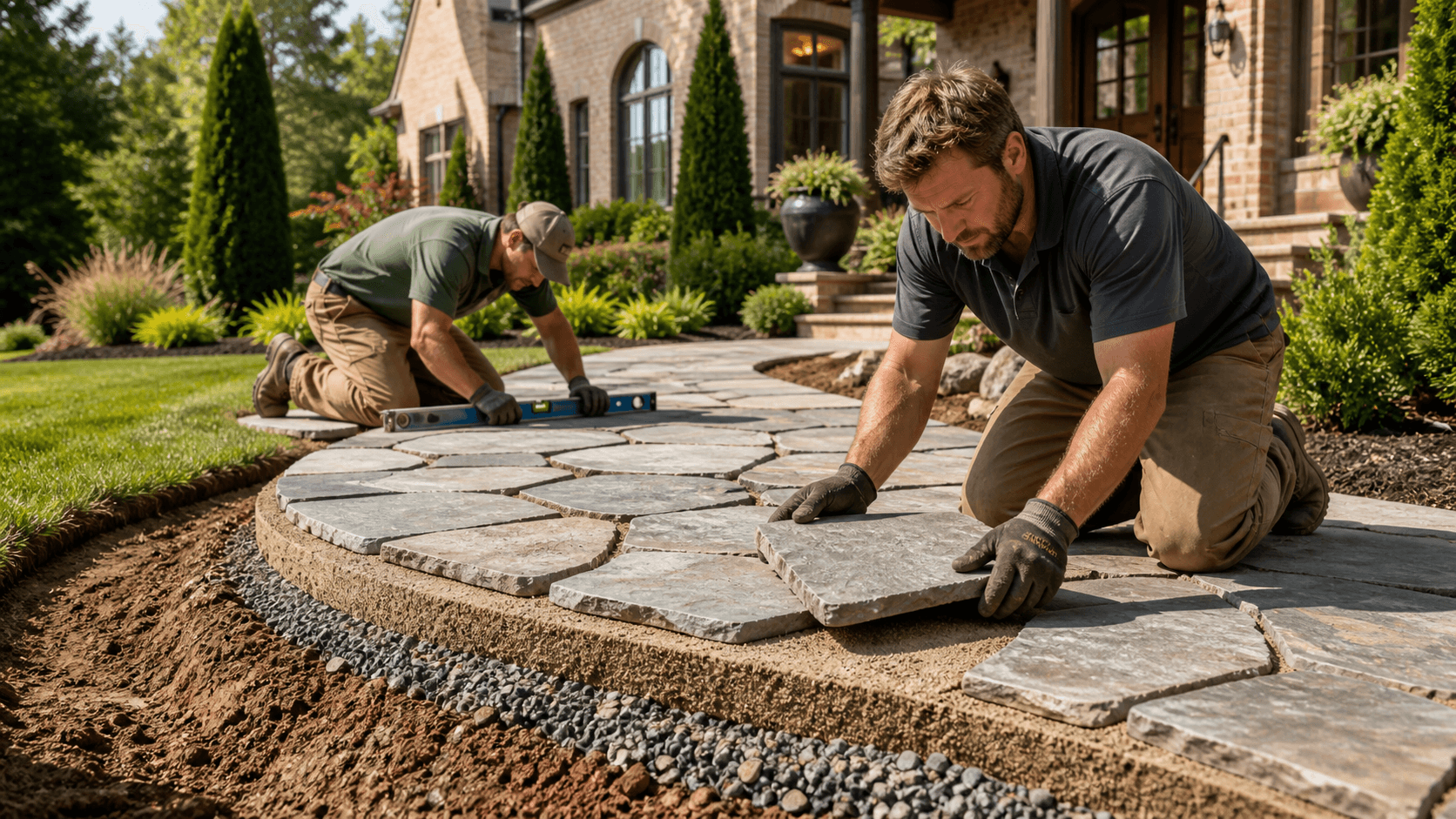
We start with excavation, usually deeper than most people expect. The goal is to remove soft topsoil and get down to a firm subgrade. From there, we build up with compacted aggregate in layers. Base thickness depends on:
- Clay conditions on that part of the yard
- Expected use (foot traffic only, carts, or light equipment)
- Whether the walkway is straight or winding, flat or on a slope
Proper compaction is non-negotiable. We bring in aggregate with the right gradation so the pieces lock together, not just roll around like loose gravel. Moisture content matters too. If the base is too dry, it won't compact. Too wet, and it'll pump and smear instead of tightening up. Done right, the base acts like a single structural layer that supports the stone and spreads out loads.
Edge details are another quiet structural piece. Without good edge restraints at the sides of the walkway, the stone can slowly creep out as people walk, or as water and gravity work over time. Where the path meets steps or driveways, those transitions have to be built like structural joints, not just butted together. That's how we prevent migration and trip edges as the years go by.
We bring licensed engineers into the process when the site demands more math than guesswork. Long runs on steep grades, retaining conditions beside the walkway, or ties into other structural features like retaining walls or elevated porches all benefit from engineered design. That support lets the walkway carry its load without pushing problems somewhere else on the property.
Drainage and Grading That Keep Stone Walkways Out of Trouble
Drainage and grading matter just as much as stone choice, especially as we head into wet fall and winter months in Central Alabama. A walkway that's flat to the eye should still have a slight pitch to move water. We set slope so water runs away from the house, steps, and gathering areas, while still feeling comfortable to walk on in everyday shoes.
Common drainage tools around a stone walkway include:
- Surface swales that quietly move water beside the path
- Subsurface drains that collect water under or upslope of the base
- Connections into existing drainage systems where needed
- Erosion control on slopes where the walkway cuts across grade
If we ignore how the whole yard sheds water, the walkway often becomes the low spot where water collects. That's when the base turns to mud, the clay swells and softens, and structural integrity starts to fail. So we study how water comes off:
- Roofs and downspouts
- Driveways and existing hardscape
- Neighboring properties on higher ground
By planning the grading and drainage around the walkway, we keep that base dry and strong more days of the year, which helps the stone stay level and tight.
Integrating Walkways with Your Overall Outdoor Plan
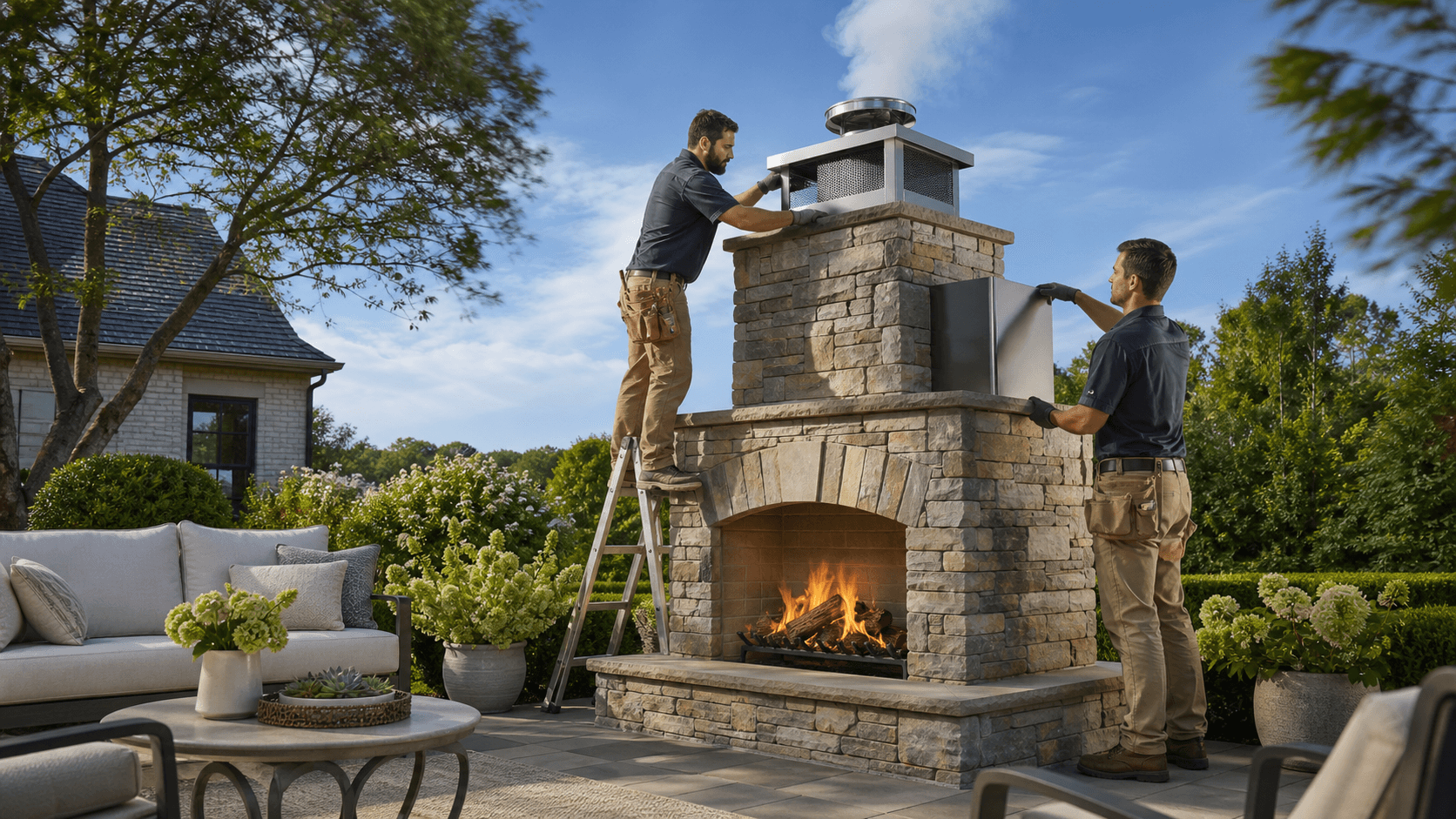
A stone walkway in Vestavia Hills is rarely a stand-alone project. It usually connects to patios, structures (including outdoor kitchens), planting beds, irrigation, and landscape lighting. All of those pieces affect elevation, drainage, and how people actually use the space.
An integrated design-build approach keeps one team in charge of:
- Design and grading plans
- Engineering input where needed
- Hardscape construction details
- Planting layout and soil conditions
- Irrigation adjustments around new grades
- Landscape lighting wiring and fixture placement
With 75 years of combined leadership experience and owner involvement, decisions about material selection, jointing methods, step layout, and lighting for safety are made with the whole property in mind. That's especially important on estate-scale properties with long runs of stone paths that cross multiple grades and tie into several outdoor areas.
Seasonal timing also helps a walkway succeed. Late summer and early fall often give us soil conditions that compact well, without the constant soaking rains that can slow down base work. Getting a walkway installed and settled before the wetter winter months gives the structure time to tighten up under normal use. When we look at broader phased planning for a property, walkway work often pairs well with other hardscape and structures so all the grades and utilities line up from the start.
Get Started With Your Project Today
If you are ready to add a durable, visually striking path to your yard, our team at Wood-Palmer Outdoor Creations is here to help. Explore how our stone walkway installation in Vestavia Hills can enhance the flow, safety, and curb appeal of your outdoor spaces. We will walk you through design options, materials, and scheduling so your new walkway fits your home and lifestyle. Ready to discuss your property? Contact us online or send us an email.